
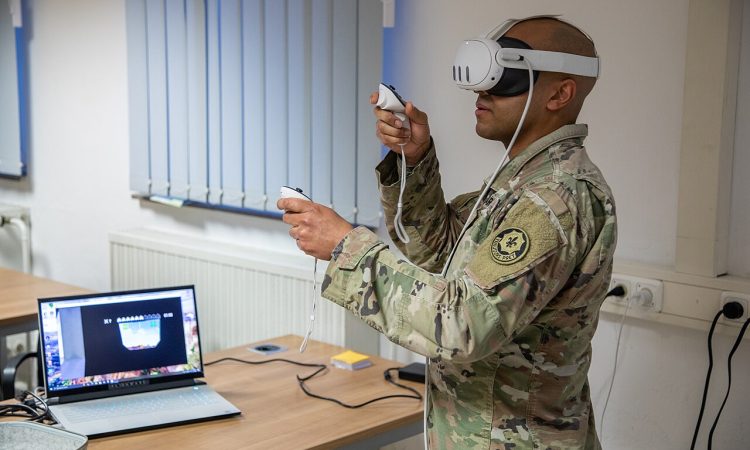
Headsets get blamed for everything from ruined vision to crossed eyes. The research says otherwise, with a few honest caveats about strain, fit and age limits.
Short version
- Research so far shows no sign that normal VR headset use causes permanent eye damage.
- VR can still cause real, temporary eye strain because of the fixed focal distance and reduced blinking.
- Most headset makers set a minimum age of 12 or 13, largely because of fit and content.
- Cybersickness, not eye damage, is the more common complaint, and it fades when you stop playing.
- Persistent blurred or double vision after VR use is a reason to see an eye doctor, not to push through.
Virtual reality has a reputation problem with eyes. Parents hear that a headset will wreck a kid’s vision, and adults who try one worry that the blur they see after taking it off is permanent. The research so far points to temporary strain rather than lasting harm, but VR is genuinely different from staring at a TV, and the reasons why are worth understanding. Here is what current evidence supports and what it does not.
Myth: VR Damages Your Eyes Permanently
This is the big one, and the evidence does not back it up. An estimated 52.1 million Americans have used VR headsets, and researchers say that while headsets can cause eye problems such as strain and discomfort, there is no evidence of long-term damage. The American Academy of Ophthalmology has said parents do not need to worry that headsets will harm how children’s eyes develop, how healthy they are, or how well they work, even though long-term studies are still lacking.
The research on kids points the same direction. One study that followed a VR group and a control group found no meaningful difference in myopia progression or in the lengthening of the eye that contributes to nearsightedness after two years. Another study of fifty children between 4 and 10 found no clinically significant changes in refractive error, binocular alignment, accommodation or stereoacuity after headset use, along with minimal reports of eyestrain.
The honest caveat is that long-term data is still thin, so a little caution is reasonable. The Canadian Association of Optometrists advises following the warnings that come with your headset, keeping sessions short, and staying current on routine eye exams. That is sensible advice for any screen, and it is what we do ourselves.
Myth: Eye Strain From VR Is the Same as Any Screen
Digital screens of all kinds strain eyes for shared reasons: you blink less, and your eyes hold focus up close for long stretches. But VR is not just a small TV strapped to your face, and pretending otherwise misses why some people feel worse in a headset than at a desk.
A few things set VR apart:
- Headsets have a fixed focal distance, so your eyes focus at one set distance while the 3D image cues your brain to see depth at many distances. That mismatch is known as the vergence-accommodation conflict, and it can strain the eyes.
- A headset fills your peripheral vision, while a TV or monitor takes up only a small slice of it.
- VR uses stereoscopic 3D to mimic real depth, and one published study suggests eye fatigue among headset users comes from the gap between the depth the headset shows and the depth the eyes perceive.
There is also plain sensory confusion. Day to day, your brain juggles focus across a whole range of distances. In VR it tries to lock focus on faraway digital scenery while the actual display sits inches from your face. Some people report more eye strain and vision changes after VR than after flat screens, though there is no evidence that either causes permanent damage with moderate use.
Myth: VR Will Worsen a Lazy Eye or Crossed Eyes
For children with amblyopia (a lazy eye) or strabismus (crossed eyes), the concern is understandable, since VR leans heavily on both eyes working together. What the research shows is narrower: there is no evidence that VR worsens these conditions, but long sessions tend to be more uncomfortable for kids who already have them. That argues for moderation and shorter sessions, not a total ban.
If your child has a diagnosed vision condition, talk to their eye doctor before making headset use a routine part of their week. A professional who knows the specifics of your child’s eyes can give guidance that a general article cannot.
One related myth worth clearing up: sitting close to screens does not actually damage eyes or cause long-term vision problems. It can contribute to temporary fatigue, and doing it constantly can be a sign of underlying nearsightedness, which is a reason for an eye exam rather than a scolding.
Myth: Headsets Are Fine for Kids of Any Age
Most headset makers say their devices are not intended for children younger than 12 or 13. Those limits exist for two stated reasons. First, the nature of some VR content is not designed for young children. Second, headsets are not sized for them: a headset built for an adult face leaves a child straining to see sharply, and that strain feeds into physical discomfort and tired eyes.
There is also a reporting problem. Kids can have a hard time putting into words that their eyes feel off, and they rarely think to pull the headset off on their own. That is exactly why an adult who sets expectations about breaks matters more with children than with grown-up players.
Fact: Manufacturers Set Age Limits for a Reason
The age limits are conservative, and it helps to understand what they are based on. They are not the result of studies showing that VR harmed young children. The small body of research that exists has not linked short VR sessions to harm in kids, particularly when a parent is supervising. One study even found that children 8 to 12 who played a VR video game for 20 minutes showed no serious deterioration of vision, though two participants had trouble detecting differences in distance afterward.
So treat the printed age guidance as a floor, not a scientific cliff, and remember that manufacturers can update their own guidance, so it pays to check what your specific headset says. The American Academy of Pediatrics suggests supporting children with guidance, reasonable time limits, and making sure VR does not crowd out physical activity, homework or family time. In our opinion, that framing is more useful than a panic: supervised, time-limited play on a headset that actually fits is a very different thing from an unsupervised all-afternoon session on gear built for an adult face.
A larger long-term question hovers over all kids’ screen time, VR included. One JAMA Network Open analysis that pooled multiple studies found that kids who spend more hours a day on screens face higher odds of becoming nearsighted, and exposure to natural light appears to play a key role in healthy eye development. Time outdoors remains one of the best free things you can do for young eyes.
Fact: Eye Strain Is Real, but It Usually Fades
The discomfort is not imaginary. Common symptoms of digital eye strain include dry or irritated eyes, headaches, blurred vision, trouble refocusing after use, and general eye fatigue. Reduced blinking during VR disrupts the tear film, which is what keeps the surface of your eye comfortable, and that leads directly to the dry, scratchy feeling many players know.
Context matters, too. The average American worker spends seven hours a day on a computer, and people who spend two or more continuous hours a day on a digital screen are at the greatest risk for computer vision syndrome. A headset adds to that total rather than replacing it. One review of digital eye strain recommends limiting daily screen time to no more than four hours, taking frequent breaks, improving lighting and minimizing glare. If a VR session pushes your eyes past their comfort, the symptoms generally ease once you stop.
Player tip
Try the 20-20-20 rule: every 20 minutes, look at something about 20 feet away for 20 seconds. It works just as well around a VR session as it does at a desk.
Fact: Cybersickness Is the More Common Complaint
Ask around and the problem that actually ruins VR sessions is not eye damage. It is cybersickness, also called visually induced motion sickness: nausea, dizziness, disorientation, sweating, headache, drowsiness and trouble focusing during or shortly after use. It happens when your eyes watch a character rocket through the air while your inner ear insists the body has not moved off the couch.
Some groups are more susceptible, including children, women, people with unstable posture, people with defects in their field of vision and anyone with a history of motion sickness. The good news is that cybersickness normally fades when you stop using VR. Researchers recommend substantial breaks of about 15 minutes between sessions to avoid the symptoms, and if the room feels like it is spinning, take the headset off and keep it off until the nausea eases and any dizziness has fully cleared before you play again. We keep more practical VR advice, including comfort settings and motion fixes, in our VR and new hardware coverage.
When to Take a Break, and When to See a Doctor
Take a break when you notice any of these during or after a session:
- Blurry vision, especially if it clears when you blink
- Dry, itchy or watery eyes
- A tension headache building behind your eyes
- Nausea, dizziness or a spinning sensation
Take off the headset, rest your eyes, and give the symptoms time to fade. Most of the time, they do.
See an eye doctor when symptoms do not behave that way. If blurred or double vision persists after you stop playing, if headaches keep showing up after sessions, or if a child repeatedly complains that their eyes hurt in VR, that is a signal to get examined rather than to push through. Uncorrected vision problems can make digital eye strain worse, and even people who wear glasses may find their prescription is not suited to a headset’s viewing distance, so a full eye exam is worth the appointment. Glasses wearers can also ask an optometrist about prescription lens inserts that fit inside the headset instead of cramming frames against the optics.
One last housekeeping note, because it affects comfort more than people expect: a dusty or smeared lens makes your eyes work harder than they need to, so a quick clean with the right materials before a session pays off. And if you are still weighing whether a headset is worth the money, our buying games guide explains how refunds and subscriptions work and what you actually own when you click buy.
See also 8 Ways to Ease Motion Sickness in VR (From Timers to Teleport) and Keep Your VR Headset Clean Without Scratching the Lenses.
Quick questions
Will a VR headset make my eyesight worse?
Research so far does not show permanent damage from normal use, though long-term studies are still limited. Temporary eye strain, dry eyes and blurred vision are common after long sessions and usually clear once you rest.
What age is appropriate for VR headsets?
Most headset makers say their devices are not meant for kids younger than 12 or 13, so check the guidance that came with your specific device. Brief supervised use has not been linked to harm in children, though parents should set break and time limits.
Why do I feel sick and not just tired after playing VR?
That is cybersickness, a mismatch between what your eyes see and what your inner ear feels. It normally fades when you stop, so take off the headset and let the dizziness clear fully before you put it back on.
Can my child with a lazy eye use VR?
There is no evidence VR worsens amblyopia or strabismus, but long sessions can be more uncomfortable for children who already have these conditions. Ask your child’s eye doctor before making regular VR use part of their routine.
Store policies, subscription terms and platform features change often. This guide is general information for players in the U.S., not legal advice; check the current terms on the store’s or platform’s own help pages before relying on them.